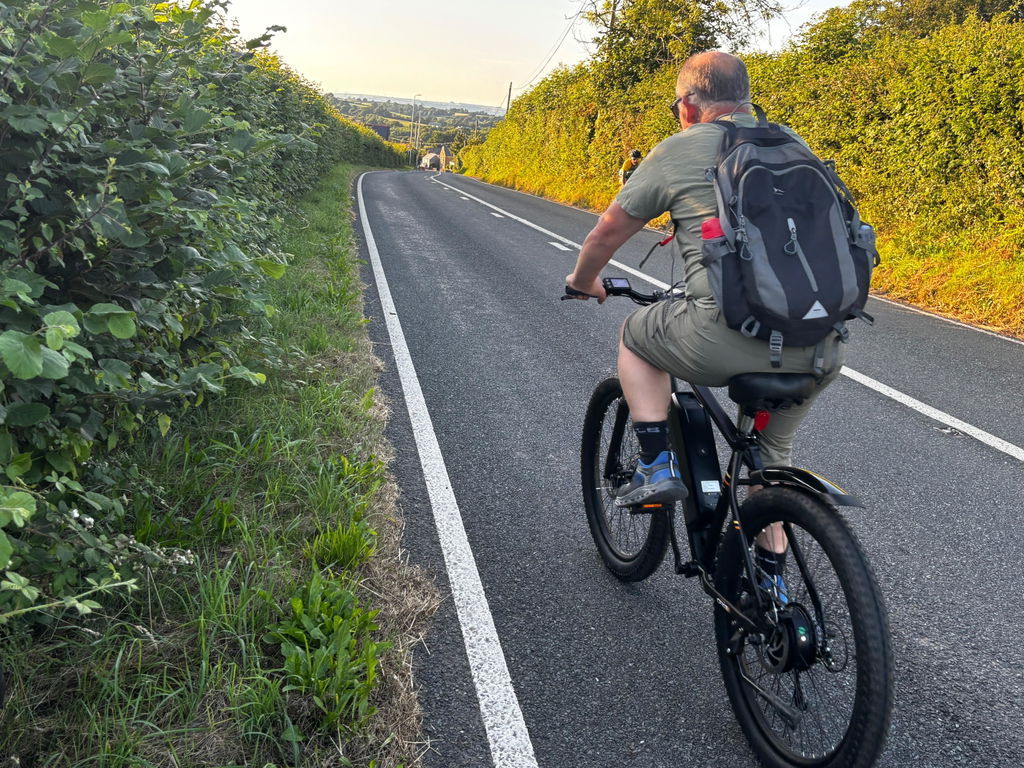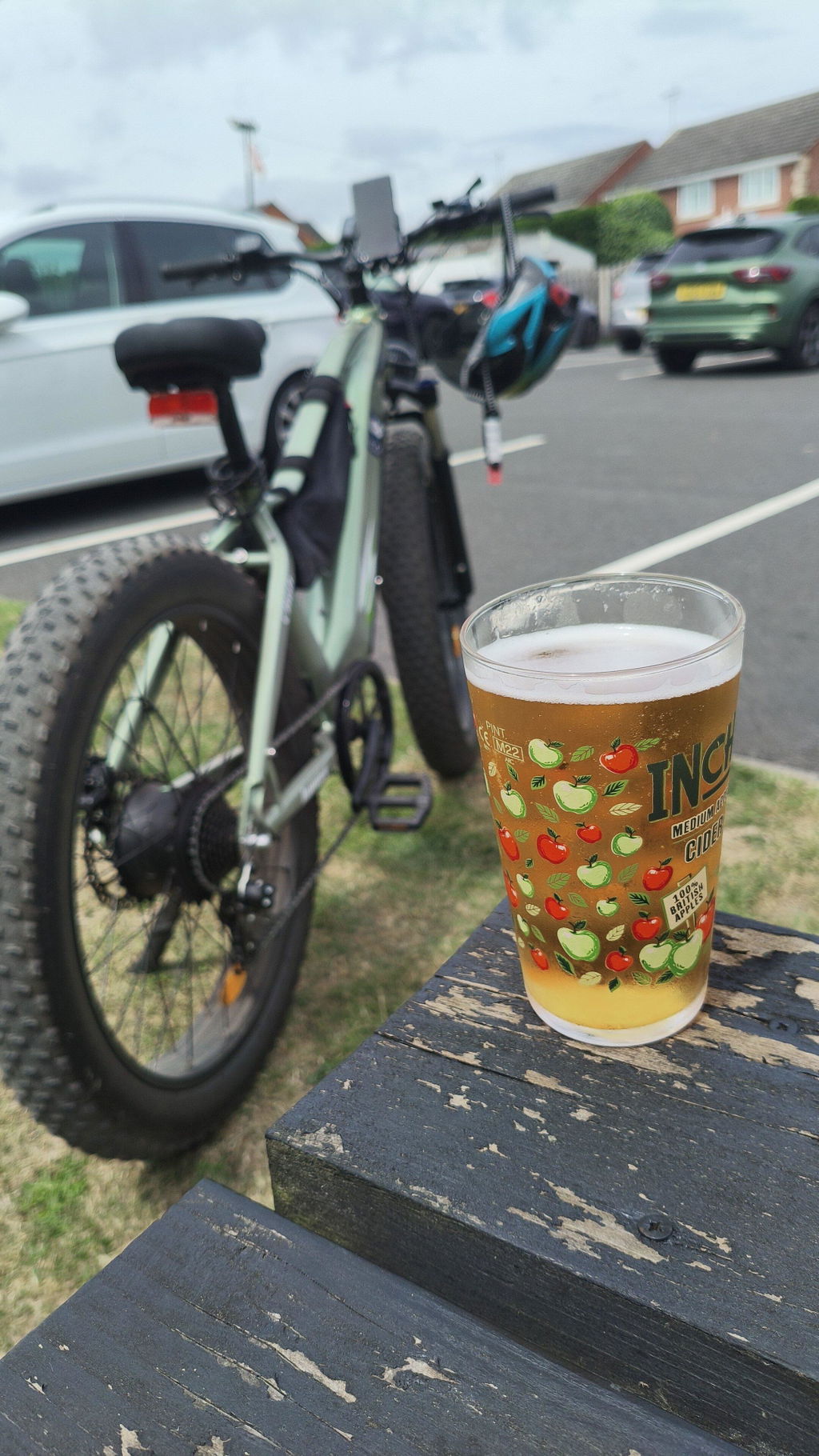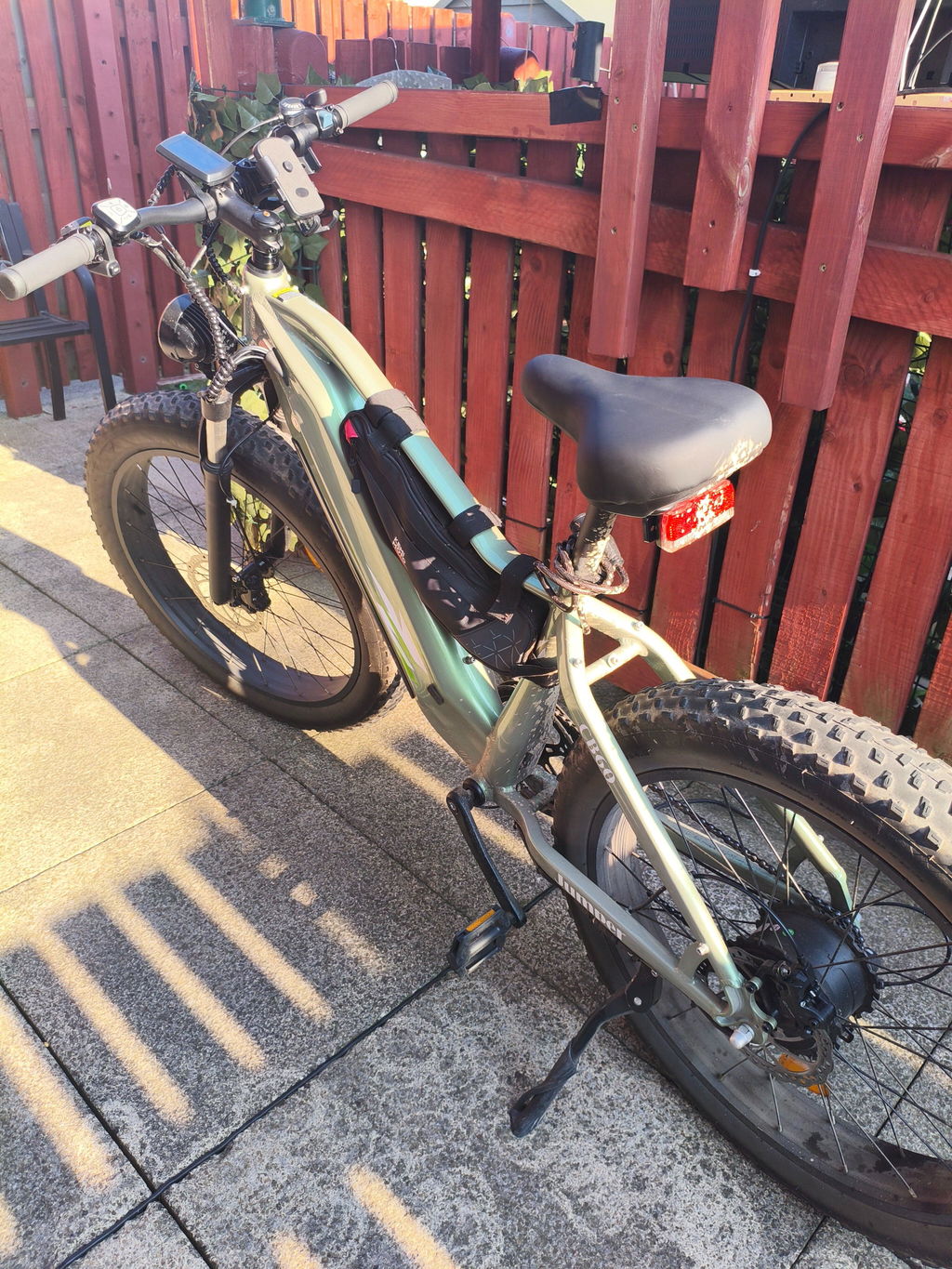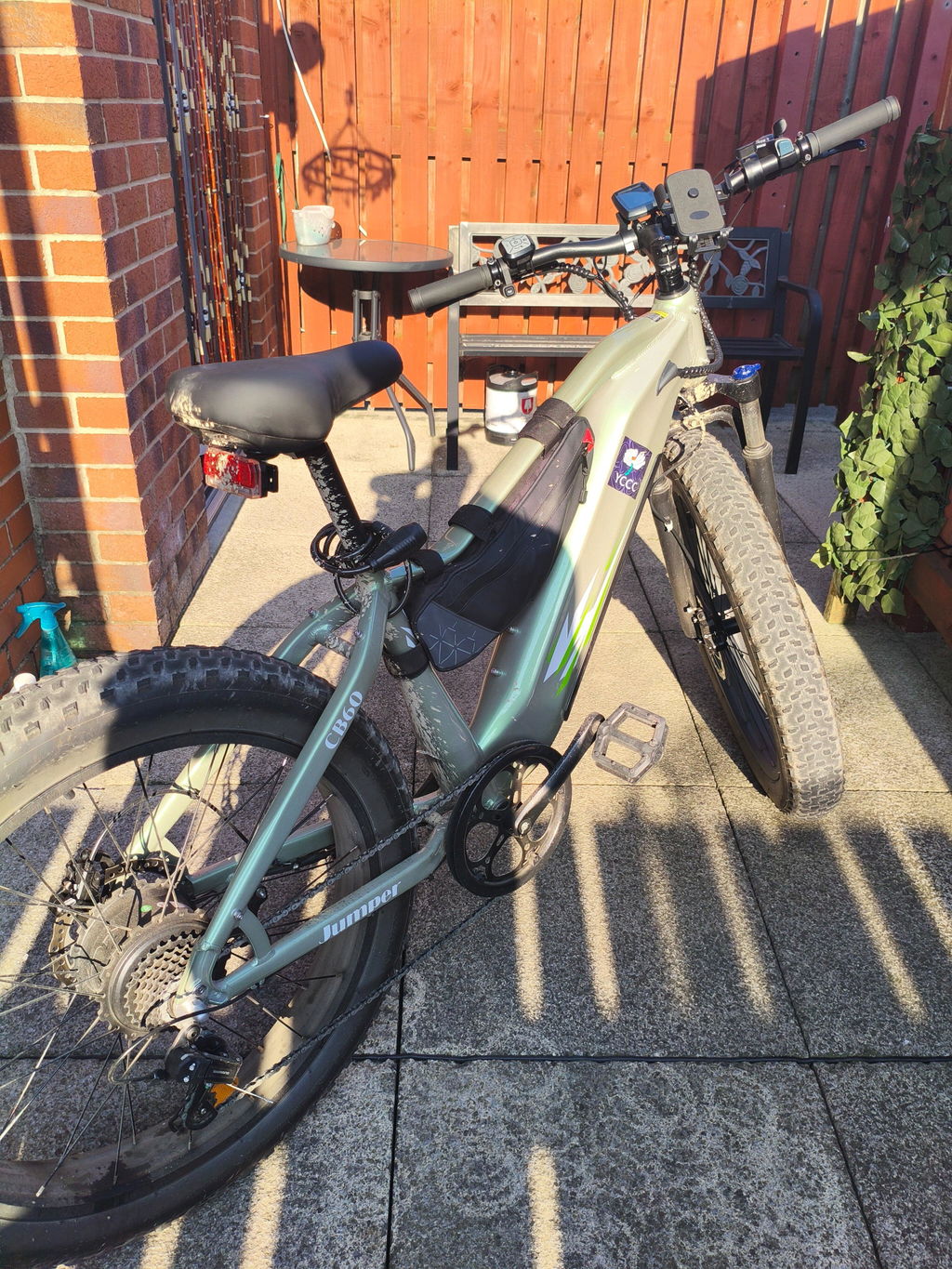

A decent e-bike costs £1,000–£2,000. Yet plenty of owners ride theirs for two years and never touch it—then discover the battery has lost noticeable capacity and the chain and cassette are worn out. Replacing both can cost close to half the price of the bike.
You don't need to be a mechanic. You need ten minutes here and there. Here's the condensed version of what actually matters.
The Battery: Your Most Expensive Component

Store it between 10–25°C. If your shed or garage drops below freezing in winter, take the battery indoors. Cold storage alone won't kill it, but charging or drawing heavy power in the cold causes irreversible cell damage.
Don't store it full or empty. For long periods—like an unused winter—keep it at 50–60% and top it up every three months. A full battery sits at high voltage and ages faster; a fully drained one can trigger a deep-discharge lockout that usually isn't covered by warranty.
Charge between 0°C and 35–40°C. After a cold ride, let the battery return to room temperature before plugging in. Use the original charger, straight into a wall socket—no extension leads.
Keep the contacts clean and dry. Winter roads are salted, and slush accelerates corrosion on battery terminals. Wipe them with a dry cloth and apply a little dielectric grease to the external contacts.
The Drivetrain: Mid-Drive E-Bikes Eat Chains

With a mid-drive motor, all the power runs through the chain and cassette, so wear happens much faster than on a regular bike. Some brands recommend a new chain every 500–600 miles (800–1,000 km), versus two or three thousand on an unassisted bike.
Ease off when you shift. A split-second of lighter pedalling before each gear change spares the chain and cassette enormous shock.
Shift down before you stop. Just like a manual car—drop to an easier gear before the red light. The motor won't have to haul from a heavy gear when you pull away.
Lube often, but lightly. A thin layer of chain oil after each ride or wash, then wipe off the excess. Too much oil attracts grit and turns into grinding paste.
Never use a pressure washer. High-pressure water forces past seals into the motor housing and battery connectors. A bucket, a low-pressure hose and a soft brush are all you need. Leave the battery on the bike but switched off, and don't turn the bike upside down.
Brakes and Tyres: Heavier Bike, Faster Wear

E-bikes are heavier and often ridden faster, so brake pads and tyres wear quicker.
Check your pads regularly. If the lever feels soft, travel increases, or you hear metal-on-metal, it's time to inspect or replace. New pads need bedding in: 15 firm but non-locking stops from 15–20 mph to transfer material evenly onto the rotor.
Tyre pressure matters more than you think. Too low wastes battery and risks pinch flats and rim damage; too high sacrifices grip and comfort. Start from the range on the sidewall and adjust for your weight and road conditions. Potholed routes often reward slightly lower pressure.
One minute before every ride: check tyre pressure, squeeze the brakes, confirm battery charge for the trip, and check that quick-releases or thru-axles are tight. This prevents most breakdowns.
The Motor: Leave It Alone, Keep It Dry

The motor is a sealed unit and needs no user maintenance. Design life is typically 10,000–30,000 km—most riders replace the battery, chain and brakes before the motor ever needs attention.
Your only job is to keep water out. Avoid deep puddles, don't spray the motor housing directly, and store the bike dry. If you hear unusual noises, lose assist intermittently, or notice it's louder than before, don't open it yourself—go to the brand's service partner or a certified shop.
Also check for firmware updates through the brand's app or website. Updates can improve motor response and battery management at zero cost.
The Quick Checklist
Before each ride (1 min): tyre pressure · brakes · battery for the trip · quick-releases/thru-axles
After each ride (2 min): wipe and lightly oil the chain · wipe frame and battery shell if you rode through rain or salt · if battery is below 20% and you won't ride for a few days, charge to ~60%
Monthly: check pad thickness · check chain wear (chain checker or a shop) · wipe battery and charging contacts
Long-term storage (e.g. winter): battery at 50–60%, removed and indoors · check every three months, top up to 60% · bike clean and dry, tyres at normal pressure
The logic is simple: the battery hates temperature extremes and full/empty storage, the drivetrain hates dirt and laziness, and the motor hates water and DIY disassembly. Get those right and five or six years without a major repair is entirely realistic. The weather isn't kind to bikes—which is exactly why those ten-minute jobs are what save you hundreds of pounds.